拾萬石家庄|即将展出|群展:白日梦
- 2026-06-24 09:18:32
“白日梦”群展将于3月7日启幕,八位艺术家邀你共赴一场幻觉
2026年3月7日的春天,拾萬空间(石家庄)将打开一扇通往非现实的门。
门里,是辛宽笔下无人却处处留痕的荒诞风景,是王延鸣从新闻截图里打捞出的日常剧场,是申玮用墨色浇筑的七情巨石,是董一又在丝绸上轻若呼吸的幻影,是旦儿以千年模戳拓印的文化密语,是赵轩尚未言说、等待你填入的空白。
门外,是你——刚刚从地铁、公交、办公室走出来,手机里还存着未回的工作消息,脑子里还转着今晚吃什么。
进来吧。这里有一场白日梦。
Dreamers, please enter
"Daydream" Group Exhibition Opens March 7: Eight Artists Invite You into a Shared Illusion
This spring, on March 7, 2026, Hunsand Space (Shijiazhuang) opens a door to the unreal.
Inside the door: Xin Kuan's absurd landscapes—empty yet marked by traces of presence; Wang Yanming's everyday theater, drawn from fragments of news imagery; Shen Wei's monumental rocks of the seven emotions, rendered in ink; Dong Yiyou's breathlike visions, weightless on silk; Dan Er's cultural codes, impressed with thousand-year-old woodblocks; Zhao Xuan's unsaid—a blank space awaiting your inscription.
Outside the door: you—just stepped out of the subway, the bus, the office, with unread work messages still on your phone and dinner plans still turning in your mind.
Come in. A daydream awaits.
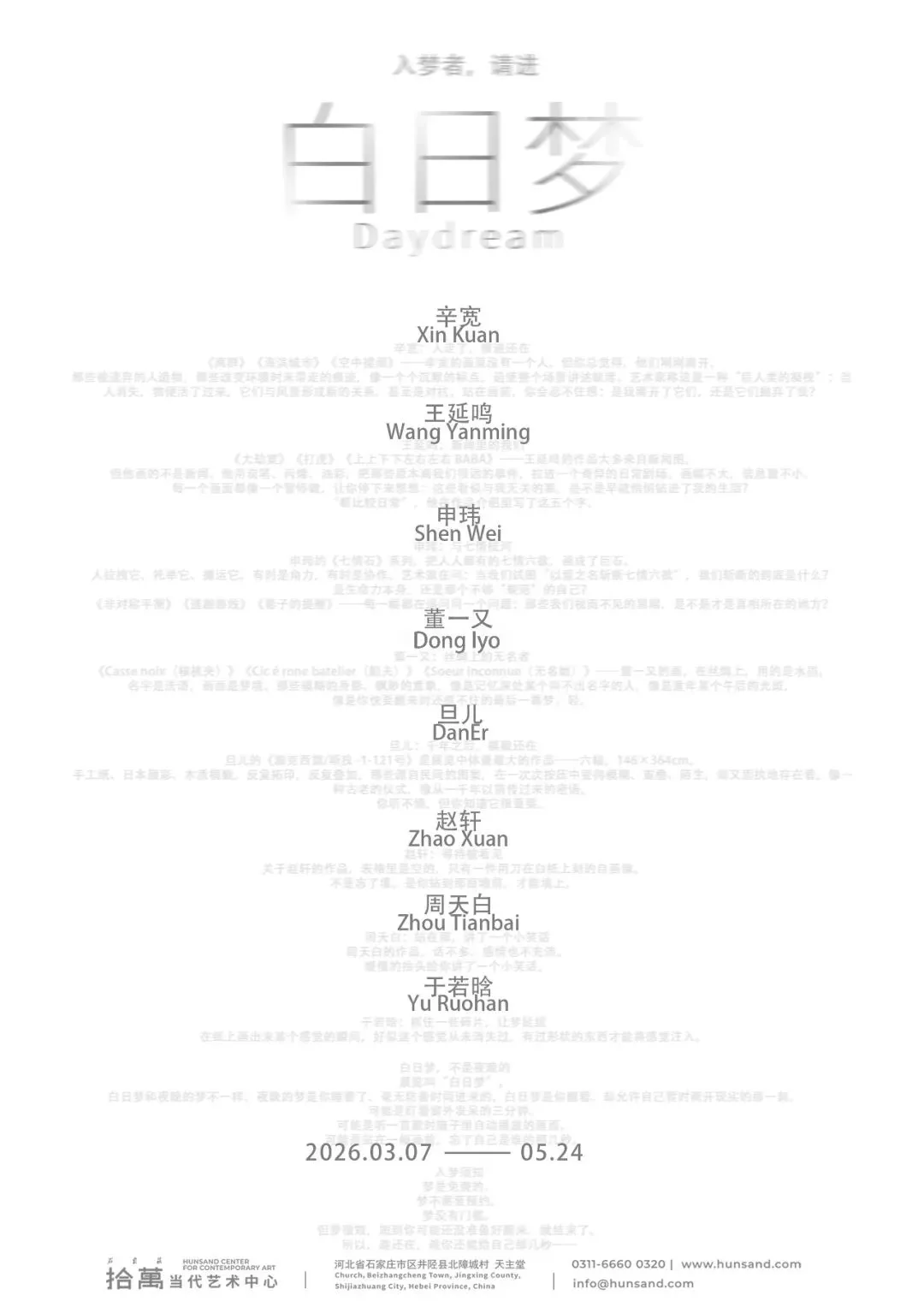
艺术家:旦儿、董一又、申玮、王延鸣、辛宽、于若晗、周天白、赵轩
展览:白日梦
展期:2026年3月7日 — 5月24日
开幕:2026年3月7日 周六
辛宽:人走了,痕迹还在
《离群》《海滨城市》《空中楼阁》——辛宽的画里没有一个人。但你总觉得,他们刚刚离开。
那些被遗弃的人造物,那些改变环境时未带走的痕迹,像一个个沉默的标点,迫使整个场景讲述缺席。艺术家称这是一种“后人类的凝视”:当人消失,物便活了过来,它们与风景形成新的关系,甚至是对抗。
站在画前,你会忍不住想:是我离开了它们,还是它们抛弃了我?
王延鸣:新闻里的我们
《大劫案》《打虎》《上上下下左右左右 BABA》——王延鸣的作品大多来自新闻图。
但他画的不是新闻。他用炭笔、丙烯、油彩,把那些原本离我们很远的事件,拉进一个奇异的日常剧场。画幅不大,信息量不小。每一个画面都像一个暂停键,让你停下来想想:这些看似与我无关的事,是不是早就悄悄钻进了我的生活?
“都比较日常”,他在作品介绍里写了这五个字。
申玮:与七情拔河
申玮的《七情石》系列,把人人都有的七情六欲,画成了巨石。
人拉拽它、托举它、搬运它。有时是角力,有时是协作。艺术家在问:当我们试图“以爱之名斩断七情六欲”,我们斩断的到底是什么?是生命力本身,还是那个不够“规范”的自己?
《非对称平衡》《逃跑路线》《影子的提醒》——每一幅都在追问同一个问题:那些我们视而不见的黑暗,是不是才是真相所在的地方?
董一又:绢上的无名者
《Casse noix(核桃夹子)》《Cicérone batelier(船夫)》《Soeur inconnue(无名的她)》——董一又的画,在绢上,用的是水和墨。
名字是法语,画面是梦境。那些模糊的身影、飘渺的意象,像是记忆深处某个叫不出名字的人,像是童年某个午后的光斑,像是你快要醒来时还抓不住的最后一幕梦。
轻。
旦儿:千年之后,模戳还在
旦儿的《雅克西旗/斯孜 -1-121号》是展览中体量最大的作品——四幅,146×364cm。
手工纸、日本颜彩、木质模戳。反复拓印,反复叠加。那些源自民间的图案,在一次次按压中变得模糊、重叠、陌生,却又固执地存在着。像一种古老的仪式,像从一千年以前传过来的密语。
你听不懂,但你知道它很重要。
赵轩:等待被看见
关于赵轩的作品,表格里是空的,只有一件用刀在白纸上刻的自画像。
不是忘了填。是你站到那面墙前,才能填上。
周天白:站在那,讲了一个小笑话
周天白的作品,话不多、感情也不充沛。
缓慢的抬头给你讲了一个小笑话。
于若晗:抓住一些碎片,让梦延续
在纸上画出来某个感觉的瞬间,好似这个感觉从未消失过,有过形状的东西才能将感觉注入。
白日梦,不是夜晚的
展览叫“白日梦”。
白日梦和夜晚的梦不一样。夜晚的梦是你睡着了、毫无防备时闯进来的。白日梦是你醒着、却允许自己暂时离开现实的那一刻。
可能是盯着窗外发呆的三分钟。可能是听一首歌时脑子里自动播放的画面。可能是站在一幅画前,忘了自己是谁的那几秒。
这个展览,就是给你那几秒。
梦是免费的。梦不需要预约。梦没有门槛。但梦很短,短到你可能还没准备好醒来,就结束了。
所以,趁还在,趁你还能给自己那几秒——

Artists:Dan Er, DONG lyo, Shen Wei, Wang Yanming, Xin Kuan, Yu Ruohan, Zhou Tianbai, Zhao Xuan
Exhibition:Daydream
Duration:March 7 – May 24, 2026
Xin Kuan: Gone, but the Traces Remain
Out of the Crowd, Coastal City, Castles in the Air—not a single person appears in Xin Kuan's paintings. Yet you always feel they have just left.
The abandoned man-made objects, the traces left in the wake of environmental change—they function like silent punctuation, compelling the entire scene to speak of absence. The artist calls this a "posthuman gaze": when humans disappear, objects come alive, forming new relationships with their surroundings—even entering into confrontation with them.
Standing before the paintings, you can't help but wonder: Did I leave them, or did they leave me?
Wang Yanming: We in the News
The Great Heist, Tiger Hunt, Up Up Down Down Left Right Left Right B A B A—Wang Yanming's works are largely drawn from news imagery.
But what he paints is not the news itself. Using charcoal, acrylic, and oil, he pulls events that once felt distant into a peculiar theater of the everyday. The canvases are modest in scale, yet dense with implication. Each image functions like a pause button, inviting you to stop and wonder: Could it be that these things, seemingly unrelated to me, have already quietly entered my life?
"All pretty everyday stuff," he writes in his artist statement—just four words.
Shen Wei: Tug-of-War with the Seven Emotions
In her Seven Emotions Stone series, Shen Wei renders the fundamental human emotions—joy, anger, sorrow, fear, love, hatred, and desire—as monumental boulders.
Figures pull at them, lift them, carry them. Sometimes it is a wrestling match; sometimes, a collaboration. The artist poses a question: When we attempt to "sever the seven emotions and six desires" in the name of love, what exactly are we cutting away? Is it life force itself, or the part of ourselves that refuses to conform?
Asymmetrical Balance, Escape Route, The Shadow's Reminder—each painting circles the same inquiry: Could it be that the darkness we choose to ignore is where the truth truly resides?
lyo DONG : The Nameless on Silk
Casse-noix, Cicérone batelier, Sœur inconnue —Iyo DONGpaints on silk, using water and ink.
The titles are French. The images are dreamlike. Those blurred figures, those weightless apparitions — they feel like someone you can no longer name, buried deep in memory; like a patch of light from a childhood afternoon; like the final scene of a dream, slipping away just as you wake.
Ethereal.
Dan Er: A Thousand Years Later, the Stamp Remains
Dan Er's Greetings No. 1–121 is the largest work in the exhibition—four panels, each measuring 146 × 364 cm.
Handmade paper, Japanese pigments, wooden stamps. Impressed again and again, layered over time. The motifs, drawn from folk traditions, become blurred, overlapping, and unfamiliar through repetition—yet stubbornly present. Like an ancient ritual. Like a coded message carried across a millennium.
You may not understand it. But you know it matters.
Zhao Xuan: Awaiting the Gaze
Zhao Xuan's entry in the checklist is left blank—save for a single self-portrait incised into paper with a knife.
Not an omission. It is you, standing before that wall, who must complete it.
Zhou Tianbai: Just Standing There, Telling a Little Joke
Understated. Unemotional.
He looks up slowly and tells you a small joke.
Yu Ruohan: Capturing Fragments to Prolong the Dream
On paper, she captures the instant a feeling takes hold—as if it had never faded. Only what has taken shape can truly be given form.
Daydream, Not Night Dream
The exhibition is called Daydream.
Daydreams are nothing like night dreams. Night dreams sneak in while you sleep, leaving you defenseless. Daydreams happen when you’re awake—if only you let yourself drift away for a moment.
Maybe it’s those three minutes spent staring out the window, completely lost in thought.Maybe it’s the vivid scenes that play in your mind when a song suddenly hits.Maybe it’s the few seconds in front of a painting, when the world slips away and you forget who you are.
This exhibition exists to give you those moments.
Guidelines for Entering the Dream
The dream is free.No reservation needed.No threshold to cross.
But the dream is fleeting—so fleeting, you might not be ready to wake when it’s over.
So, while you’re still here, while these few precious seconds are yours—
Following six months of renovation work, the foundational structure of the church has been reinforced, and the roof, windows, and walls have been restored, meticulously reviving the appearance of this village-level church prior to its abandonment. Consequently, our team is delighted to announce the inaugural opening of the church space for an exhibition on April 27th.
During the preparation for the opening exhibition, we have been pondering over what type of exhibition should be presented in such a specific space and how to conceptualize it. Though numerous ideas for exhibition planning have crossed our minds, whenever we are in the village of Beizhangcheng where the church is located, these curatorial plans and concepts seem deliberate and pale in the face of this ancient village. Especially at the end of 2023, when we, along with artists, came here after a heavy snowfall and saw several elderly people sunbathing in the village, one of them holding a baby not yet a year old - dressed in thick overalls, with a rosy red face, and a layer of chapped skin - the natural, primitive health, and vitality were unforgettable, gradually dissipating our somewhat superficial cultural imagination of this space...
Thus, for this opening exhibition, we have decided not to impose a specific theme and to forego the conventional release of a list of participating artists. Instead, we will rely on personal perceptions to select appropriate artists and their works to gradually enter this space, allowing a gradual connection to form between them, with time facilitating the revival and transformation of the space, and the inherent power of art guiding the space's attributes. After the exhibition opens, we will periodically introduce featured artworks and artists, together witnessing the process of their integration with this village church space under natural light.
So, we warmly welcome everyone to personally.
Exhibition Guidelines:
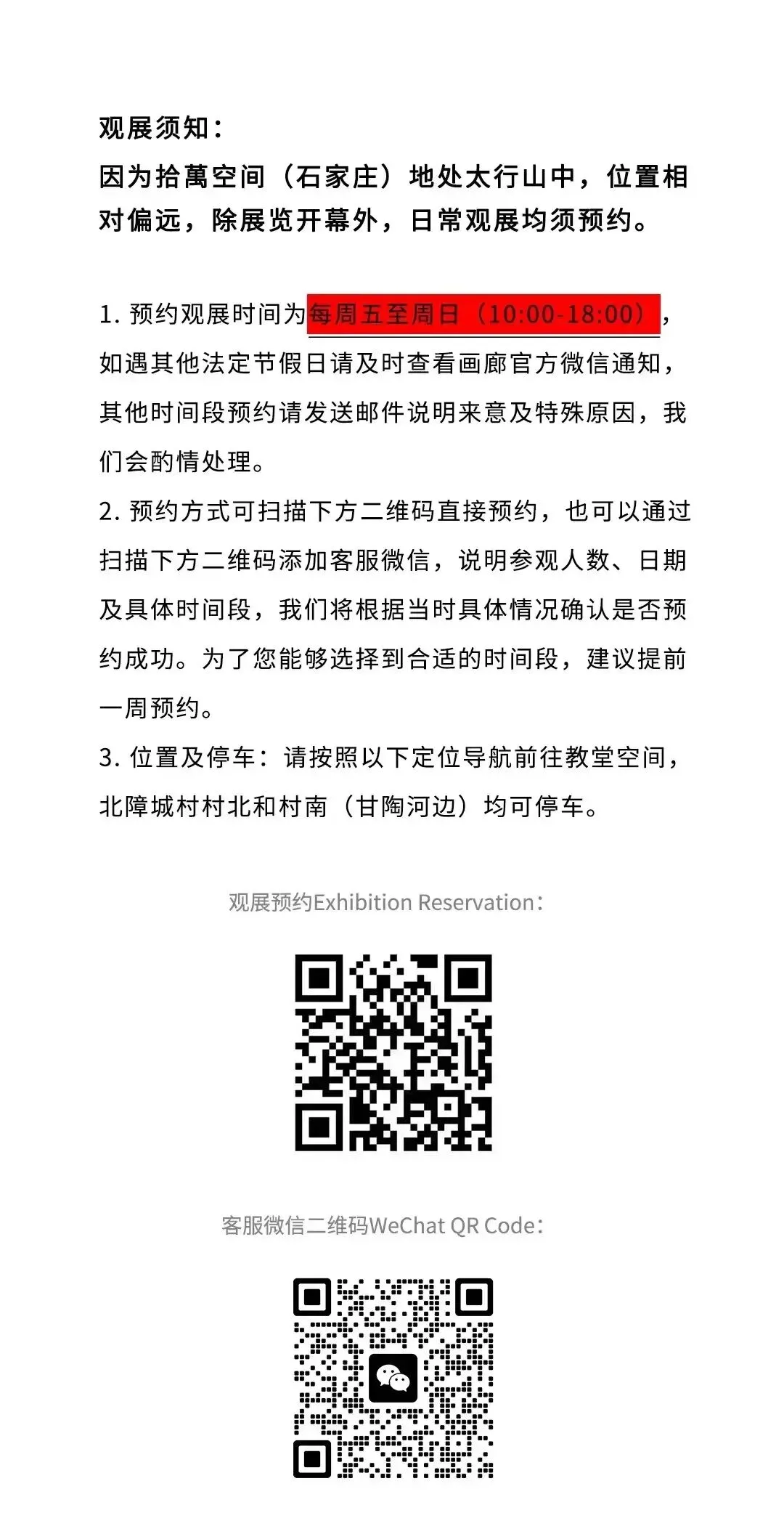
Due to its location within the Taihang Mountains, Hunsand Space (Shijiazhuang) is relatively remote, and thus, except for the exhibition opening, daily visits require prior reservations.
1.The scheduled visiting times are from Friday through Sunday every week(10:00-18:00). During other national holidays, please refer to the official WeChat notifications from the gallery for timely updates. For requests to visit during unscheduled periods, kindly send an email detailing your purpose and any exceptional circumstances; we will consider such requests on a case-by-case basis.
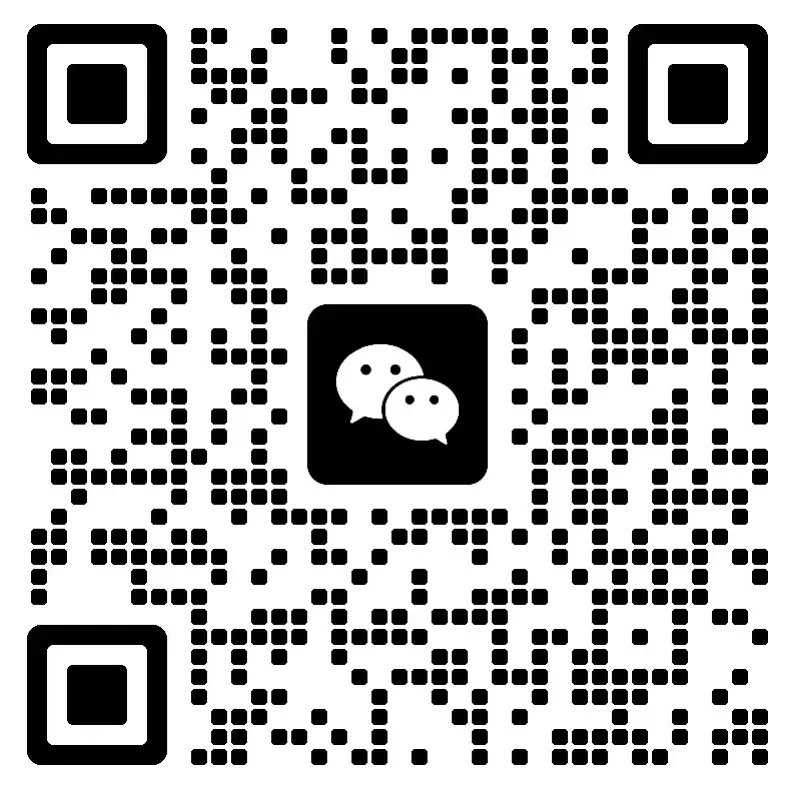
2.Reservation can be made either directly by scanning the QR code below or scan the QR code to add the gallery's customer service WeChat account. When contacting them, be sure to indicate the number of visitors, the desired date, and the specific time slot. Based on the prevailing conditions at that time, we will confirm whether the reservation has been successfully made. In order to secure your preferred time slot, it is recommended to book at least one week in advance.
3.Location and Parking: Please navigate to the church space using the provided GPS coordinates or directions. Parking is available both in the northern and southern areas of Beizhangcheng Village, near the banks of the Gantao River.
观展预约Exhibition Reservation:
Photography Guidelines:
1.In consideration of gallery and church management, we do not permit personal or small-scale photography sessions for purely commercial purposes, especially those involving individual portraits, wedding and family photoshoots, or clothing photography. We warmly welcome all visitors to appreciate the exhibitions with a respectful attitude towards art and the artists' creative endeavors.
2.For individuals who wish to bring along a photographer and professional equipment for personal non-commercial shoots, it is essential to contact us in advance. Failure to do so may result in our right to terminate your visitation.
Important Notices:
1.Please ensure you adhere to your reserved visiting times; should any special circumstances arise necessitating a change in your appointment, kindly inform us beforehand to make the necessary adjustments.
2.To allow everyone an intimate experience with the church space and the exhibited works, we have not installed barriers within the exhibition area. We kindly request that visitors maintain a safe distance from the exhibits and refrain from touching them. Should any artwork be damaged due to personal actions, compensation at its full value will be required.
3.In the event of unforeseen circumstances leading to the suspension or cancellation of the exhibition, we will promptly notify you and arrange for an alternative viewing time.
Once again, we express our sincere gratitude for your interest in Ten Thousand Space. We look forward to welcoming you to the heart of the Taihang Mountains.
For any inquiries or assistance needed, please feel free to contact us anytime.
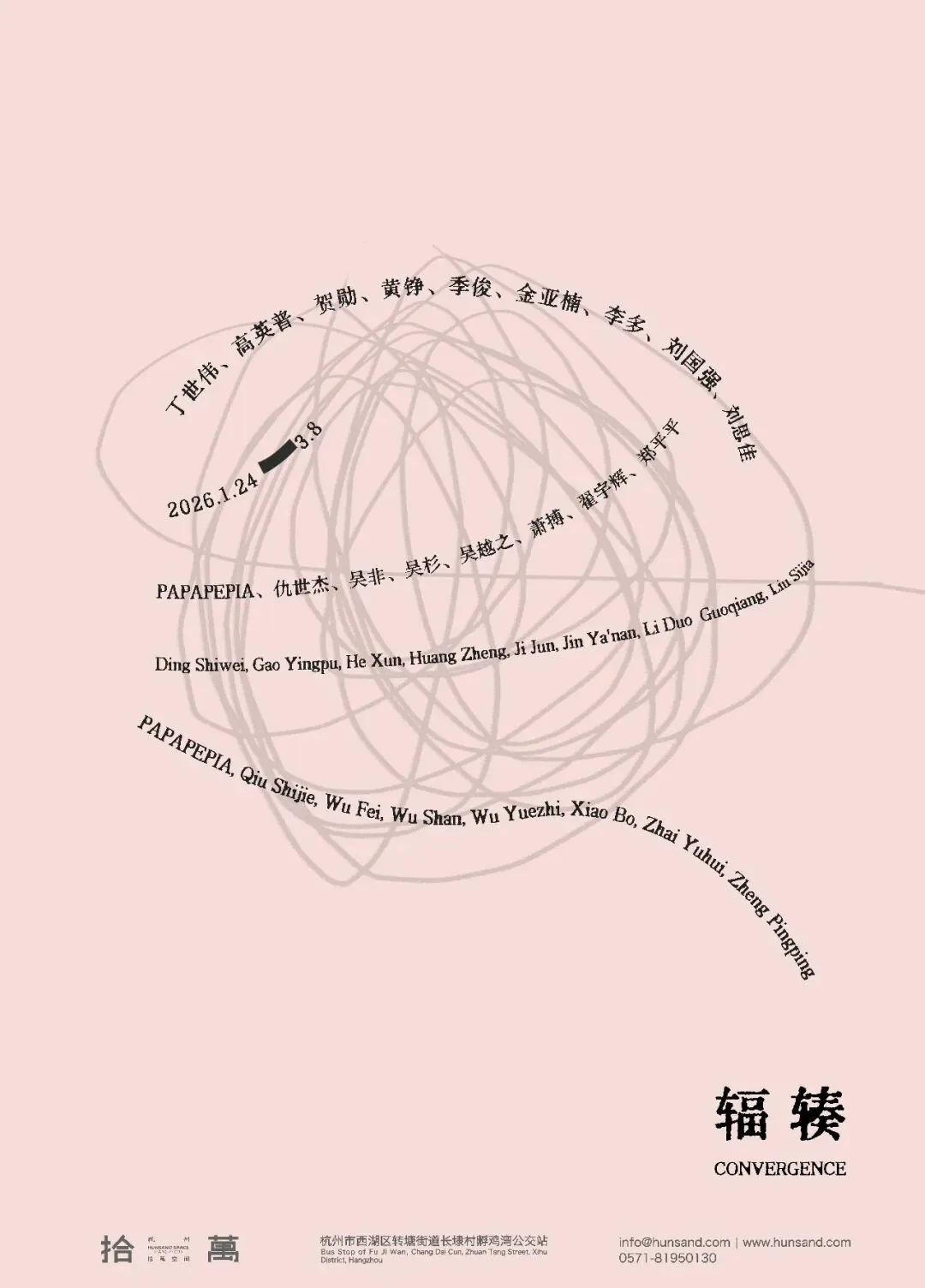
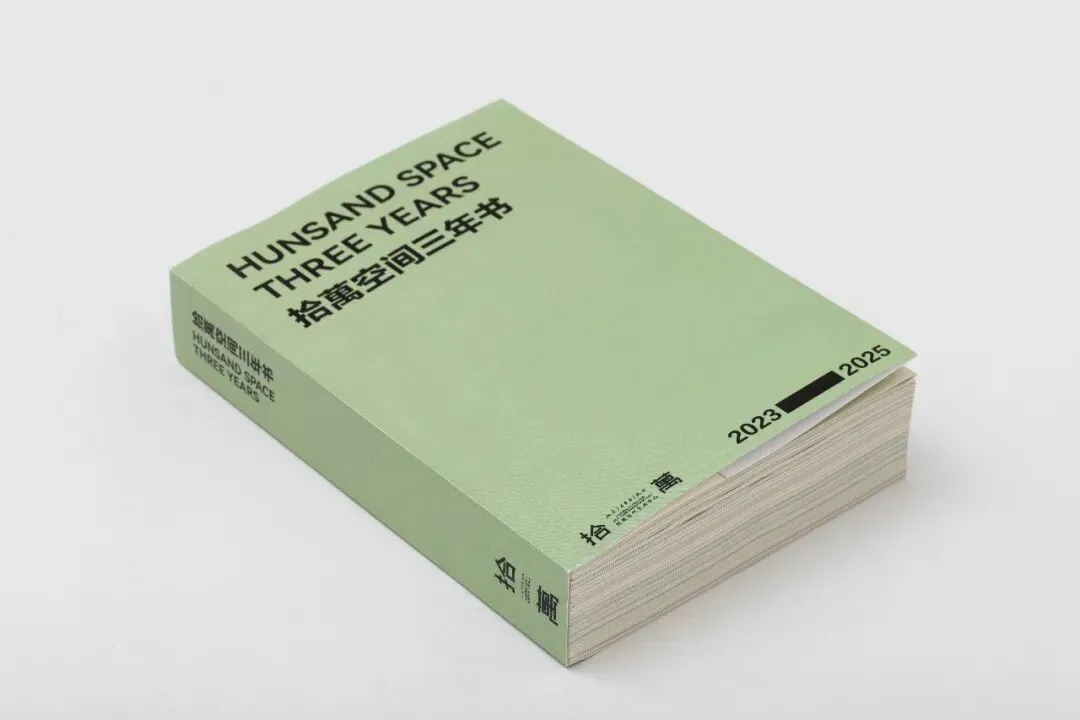
拾萬空间,于2014年成立于北京草场地艺术区,2018年迁址到北京798艺术区。2021年底开设石家庄分馆拾萬当代艺术中心,并于2023年底迁至石家庄市井陉县北障城村。2023年初在杭州市西湖区转塘街道的孵鸡湾建立分部。拾萬北京总部位于798包豪斯建筑集群中的一处二楼下陷式空间,石家庄分部深入到太行山古村落中的一座老教堂,而杭州空间则改造自龙坞茶山旁的一间农舍。拾萬空间对常规化的展览保持警惕,希望从当代艺术的语境出发,通过持续的展览和项目,来回应我们共同的生存境遇,激发出当下文化中被忽视的部分。
Hunsand Space was established in 2014 in the Caochangdi Art Zone of Beijing. In 2018, it relocated to the 798 Art District in Beijing. At the end of 2021, Hunsand Space opened a branch, Hunsand Center for Contemporary Art, in Shijiazhuang, and by the end of 2023, it had moved to Beizhangcheng Village in Jingxing, Shijiazhuang. In early 2023, a new branch was established in Fujiwan, Zhuantang, Xihu, Hangzhou. The Beijing headquarters of Hunsand Space is located within a sunken two-story building in the Bauhaus architectural complex within the 798 Art District. The Shijiazhuang branch delves deep into an old church within a historic village in the Taihang Mountains, while the Hangzhou space has been transformed from a farmhouse near the Longwu Tea Plantation. Hunsand Space remains vigilant against the standardization of exhibitions and aims to respond to our shared existential experiences, sparking the often overlooked aspects of contemporary culture through ongoing exhibitions and projects.
北京画廊开放时间 Opening hours : 周二-周日 TUE-SUN 10:00-18:00 石家庄画廊开放时间 Opening hours : 周五-周日 FRI-SUN 10:00-18:00 杭州画廊开放时间 Opening hours : 周二-周日 TUE-SUN 10:00-18:00 拾萬空间|北京 北京市朝阳区798艺术区798西街02号 拾萬当代艺术中心|石家庄 河北省石家庄市井陉县北障城村 天主堂 拾萬空间|杭州 杭州市西湖区转塘街道长埭村孵鸡湾[公交站] 微信 | WeChat: hunsandspace 微博|Weibo: 拾萬空间 Instagram: hunsand_space T:010-57623059 (北京) T:0311-66600320(石家庄) T:0571-81950130(杭州) E:hunsand@hunsand.com W: www.hunsand.com
拾萬空间,于2014年成立于北京草场地艺术区,2018年迁址到北京798艺术区。2021年底开设石家庄分馆拾萬当代艺术中心,并于2023年底迁至石家庄市井陉县北障城村。2023年初在杭州市西湖区转塘街道的孵鸡湾建立分部。拾萬北京总部位于798包豪斯建筑集群中的一处二楼下陷式空间,石家庄分部深入到太行山古村落中的一座老教堂,而杭州空间则改造自龙坞茶山旁的一间农舍。拾萬空间对常规化的展览保持警惕,希望从当代艺术的语境出发,通过持续的展览和项目,来回应我们共同的生存境遇,激发出当下文化中被忽视的部分。
Hunsand Space was established in 2014 in the Caochangdi Art Zone of Beijing. In 2018, it relocated to the 798 Art District in Beijing. At the end of 2021, Hunsand Space opened a branch, Hunsand Center for Contemporary Art, in Shijiazhuang, and by the end of 2023, it had moved to Beizhangcheng Village in Jingxing, Shijiazhuang. In early 2023, a new branch was established in Fujiwan, Zhuantang, Xihu, Hangzhou. The Beijing headquarters of Hunsand Space is located within a sunken two-story building in the Bauhaus architectural complex within the 798 Art District. The Shijiazhuang branch delves deep into an old church within a historic village in the Taihang Mountains, while the Hangzhou space has been transformed from a farmhouse near the Longwu Tea Plantation. Hunsand Space remains vigilant against the standardization of exhibitions and aims to respond to our shared existential experiences, sparking the often overlooked aspects of contemporary culture through ongoing exhibitions and projects.
随机文章
-
 10个月宝宝每天需要喝多少奶粉?
- 石家庄·协昌投资债权
- 元宵抽检全部合格!石家庄市开展元宵(汤圆)专项抽检 护航佳节“舌尖上的安全”
- 最新通报!死亡16例!石家庄市民注意防范!
- 石家庄上门回收茅台~路易十三~威士忌,专业回收各类名酒!高价回收整箱茅台、拉菲红酒、麦卡伦威士忌等,全城上门服务,快速变现!
- 石家庄高铁站发生紧急事件!!!
- 通知 | 石家庄铁路职业高级技工学校2026春季班开学时间确定!
- 寻访胜利之城 传承红色基因——走进石家庄解放纪念馆
- 石家庄看儿童白癜风好的医院推荐,多科室出诊时间表!选对医生+避开高峰,就诊效率翻倍!
- 石家庄平山县蛋糕快送 石家庄平山县蛋糕订购平台石家庄平山县订蛋糕送货上门城区免费配送
- 【石家庄中医看白癜风的医院】多科室出诊时间表!选对医生+避开高峰,就诊效率翻倍!

