【 Folk Observation 】 Chen Wenling has been providing suggestions for the country for 40 years, from a salesperson in Shijiazhuang to a strategic intellectual in a department level think tank
陈文玲为国献策四十载从石家庄售货员到正厅级智库战略知识分子
Lost Scholar - Wang Zhongyin
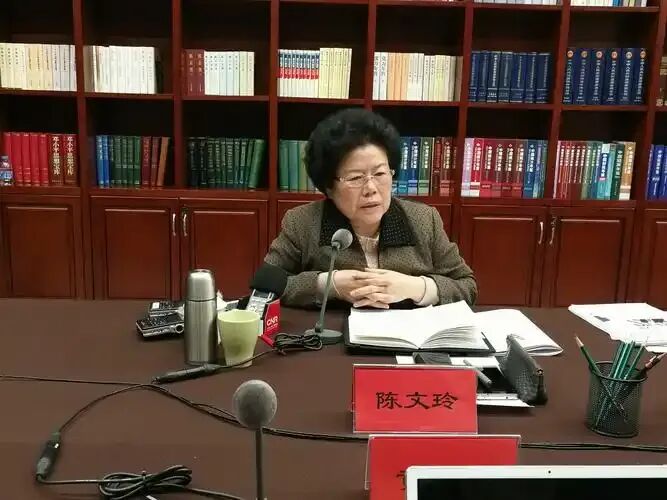
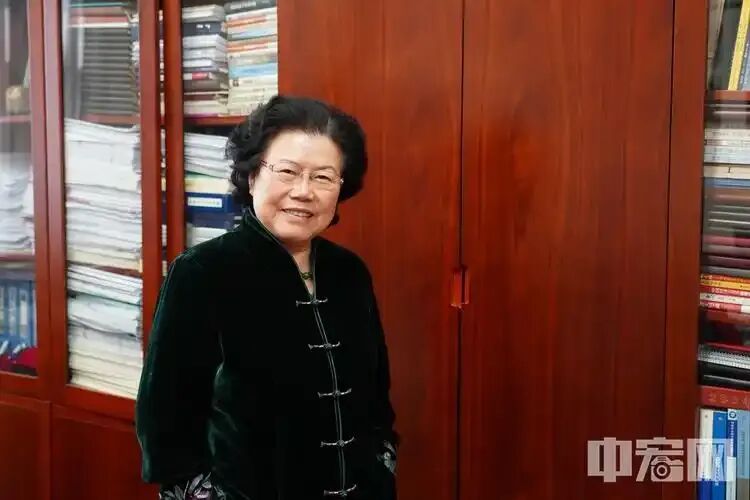
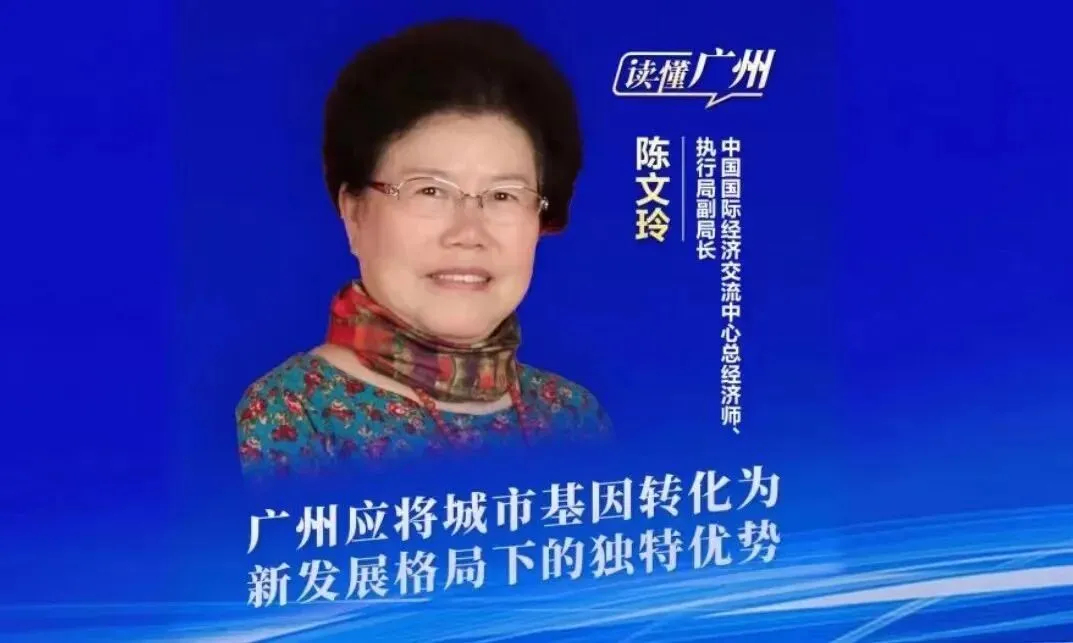
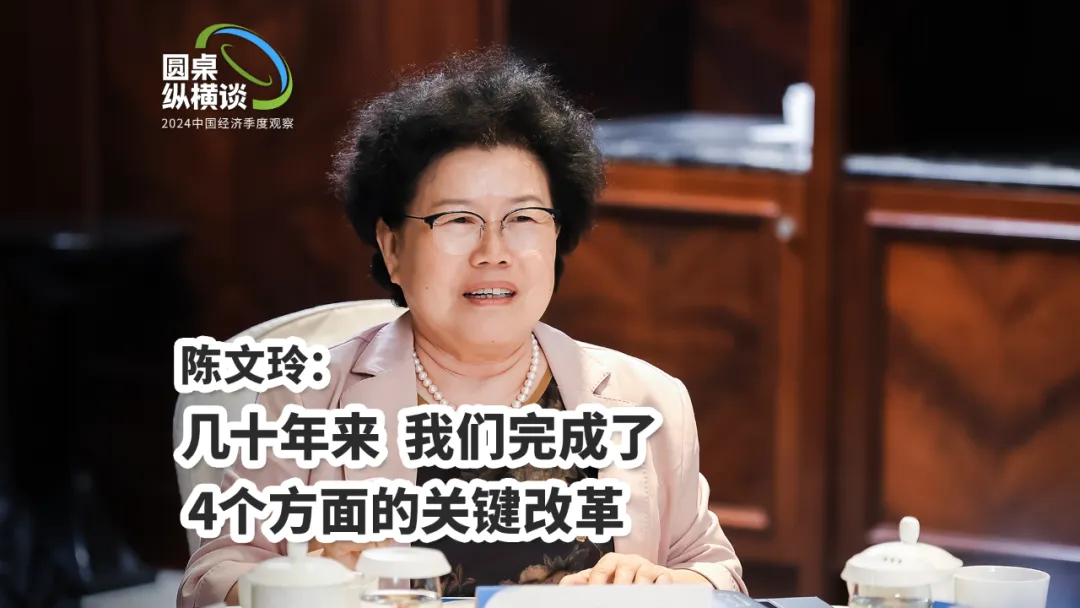
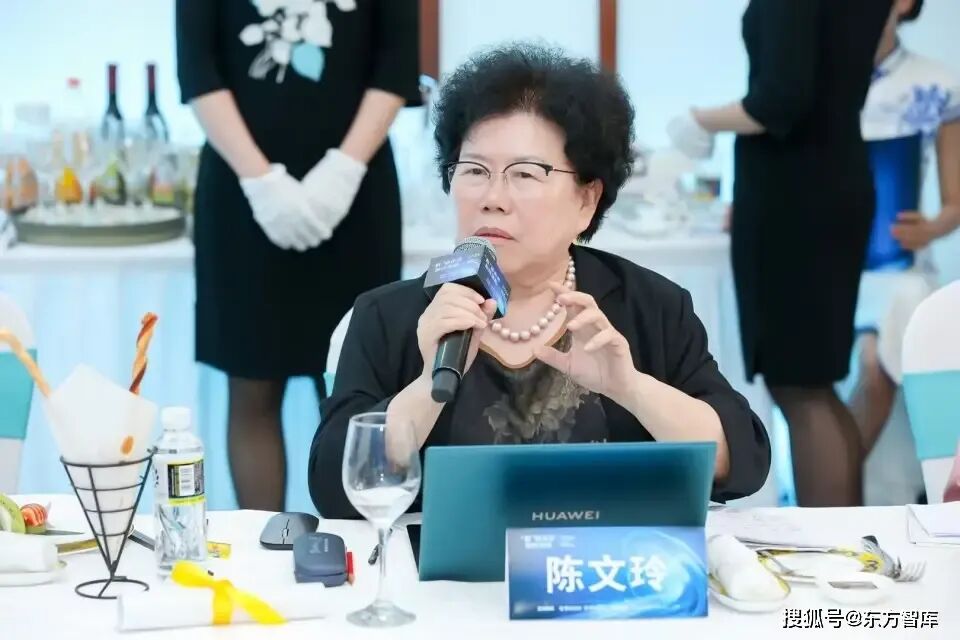
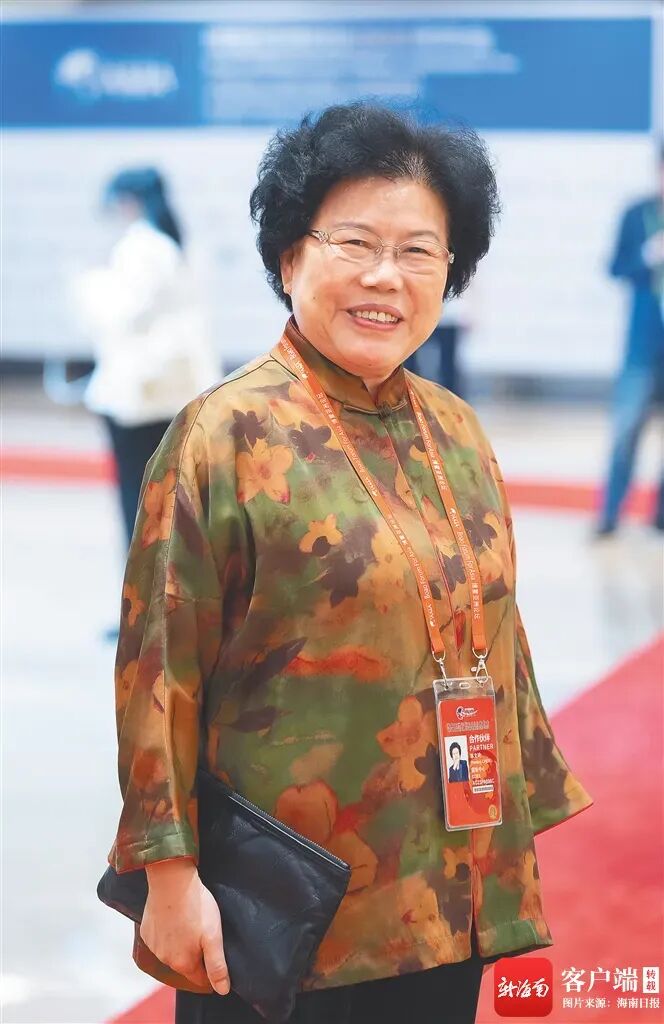
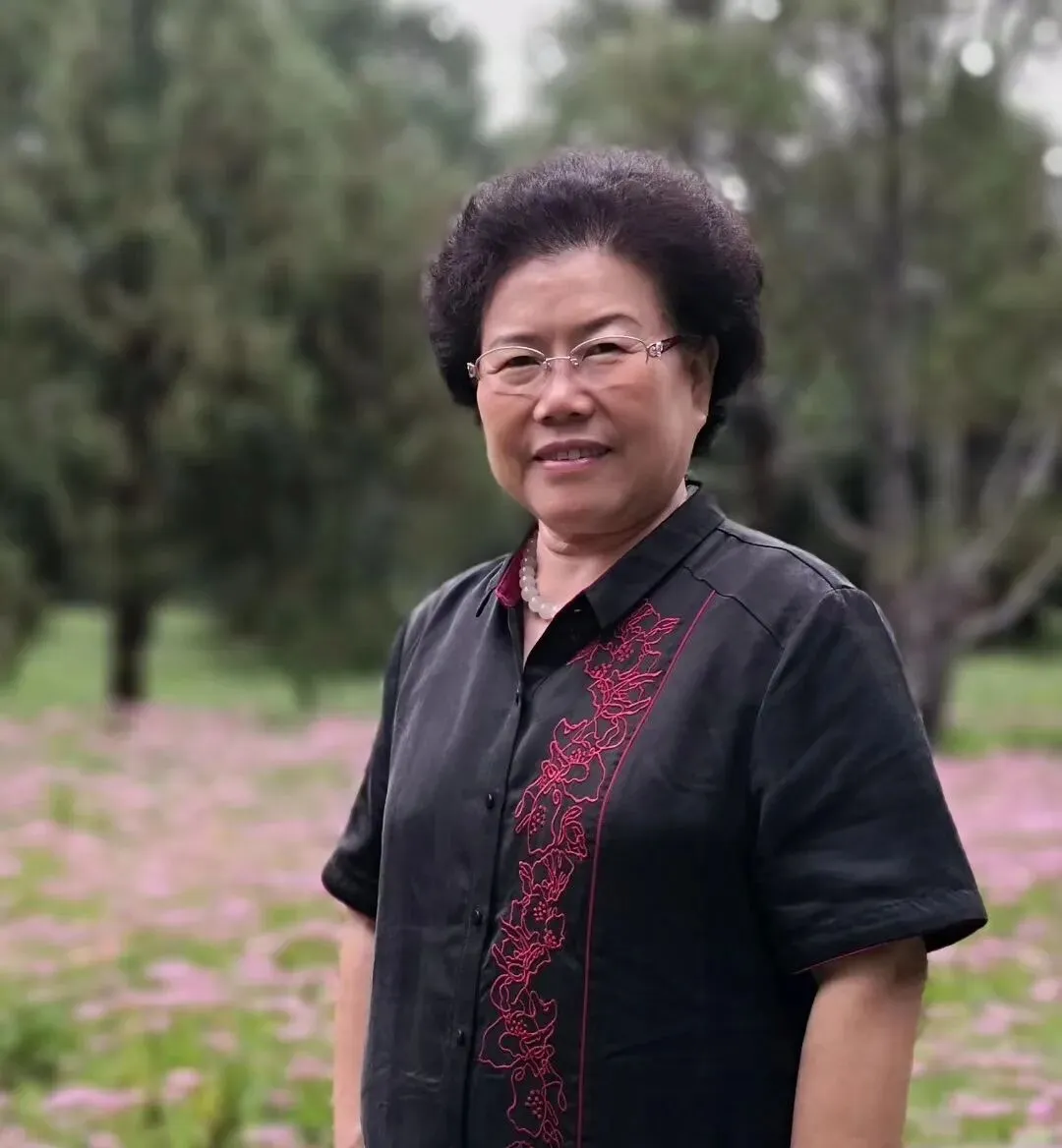
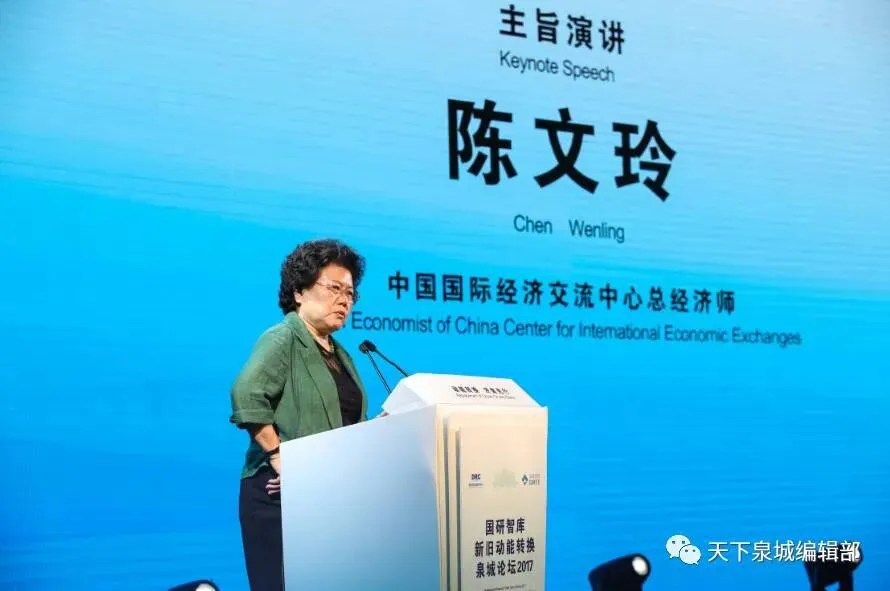
Chen Wenling was born into a family of intellectuals in Shijiazhuang. Her career started with selling coal balls in a store, and she persevered in her studies and struggles. She holds a doctoral degree from the Chinese Academy of Social Sciences and is a disciple of Jia Lurang. She has gone from being a business system official to a department level official, and then promoted to a national high-end think tank writer, becoming a highly influential female scholar in the field of think tanks. Chen Wenling's current identity is Chief Economist at the China International Economic Exchange Center and a core researcher at a national high-end think tank. Chen Wenling, born in 1953, is 72 years old this year. She did not graduate from junior high school and worked as a salesperson at the coal shop of Shijiazhuang Ranjian Company. At the age of 15, she used her abundant collection of books at home to self-study and read theoretical knowledge extensively. She is particularly interested in economics books. In 1975, Chen Wenling entered the financial and trade system of Shijiazhuang City and studied Chinese and Japanese in her spare time. Later, she joined the Shijiazhuang Commercial Bureau. In 1983, with outstanding work performance, Chen Wenling was transferred to the Department of Commerce of Hebei Province, serving as a chief clerk, deputy director, and director, and promoted to the level of department head. At that time, the commercial system was undergoing system reform, adjusting commodity circulation, and market-oriented transformation of state-owned commercial enterprises. In 1991, Chen Wenling was sent by the Ministry of Commerce to Japan for training in business enterprise management. This study abroad allowed Chen Wenling to broaden her international perspective. After working at the grassroots level for more than ten years, Chen Wenling never stopped learning and completed her undergraduate degree at Central Television University. She also participated in the graduate program of Beijing Institute of Finance and Trade Management, becoming a management cadre with theoretical literacy. From the front line, Chen Wenling came to Japan to Get rid of the emptiness of the ivory tower and firmly root in the soil of China's economic development reality.
In 1994, Chen Wenling, who had been deeply involved in the business system for 20 years, gave up her stable position as a department level cadre and entered the Graduate School of the Chinese Academy of Social Sciences to pursue a doctoral degree in economics. She studied under the Chinese circulation economics expert Jia Lurang and transitioned from a practical school to a theoretical+practical school. Chen Wenling was a closed door disciple of Jia Lurang. Jia Lurang passed away in 1998 and was the founder of China's circulation economy. She proposed the core interests of circulation modernization in the construction of socialist market economy, which deeply influenced the development of China's circulation economy theory and policy-making. In 1997, Chen Wenling was involved in a car accident while writing her doctoral thesis in Hainan, where she fractured her right arm. Her supervisor asked her to give up her defense and prioritize recovery. Chen Wenling believed that the research opportunity was not to be missed, and on the third day after the surgery, she orally narrated the content in the ward. Within five months, she completed her doctoral thesis "New Theory of Circulation" in the ward, which was highly recognized by her supervisor and the domestic economic community. It was a new breakthrough in the research of basic circulation theory. Chen Wenling proposed the core viewpoints of the formation and development of socialized, internationalized, information-based, and chaotic circulation, providing original theoretical support for the modernization of China's circulation economy. Chen Wenling pursued a doctoral degree as a department level official and worked at the grassroots level for 20 years, during which the value of a doctoral degree was high. In 1998, Dr. Chen Wenling graduated and worked at the China Business Research Institute of the Ministry of Domestic Trade for three years. In 1999, she was transferred to the State Council Research Office to promote deputy department level cadres and department level officials, directly serving the decision-making and consulting of the central core leaders, and undertaking the drafting of the "Government Work Report" and the speech manuscript of the Central Economic Work Conference. Chen Wenling has participated in the drafting of government work reports and major documents of the Central Thorn Valley Work Conference for seven consecutive years, and has been deeply involved in the formulation of policies for the 15th and 11th Five Year Plans.
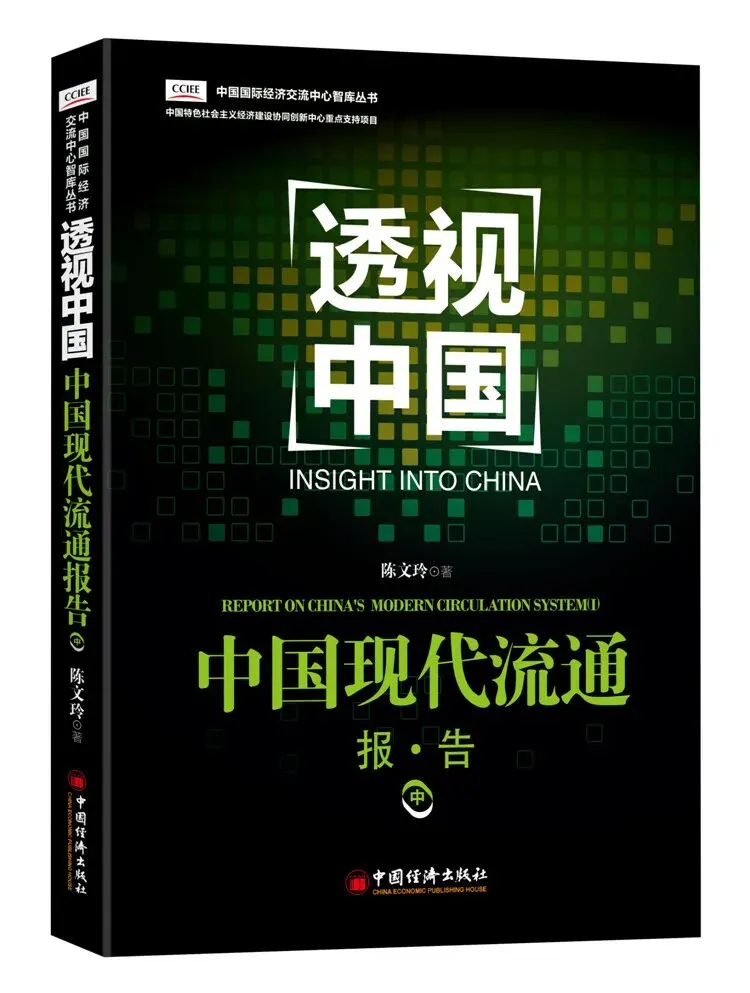
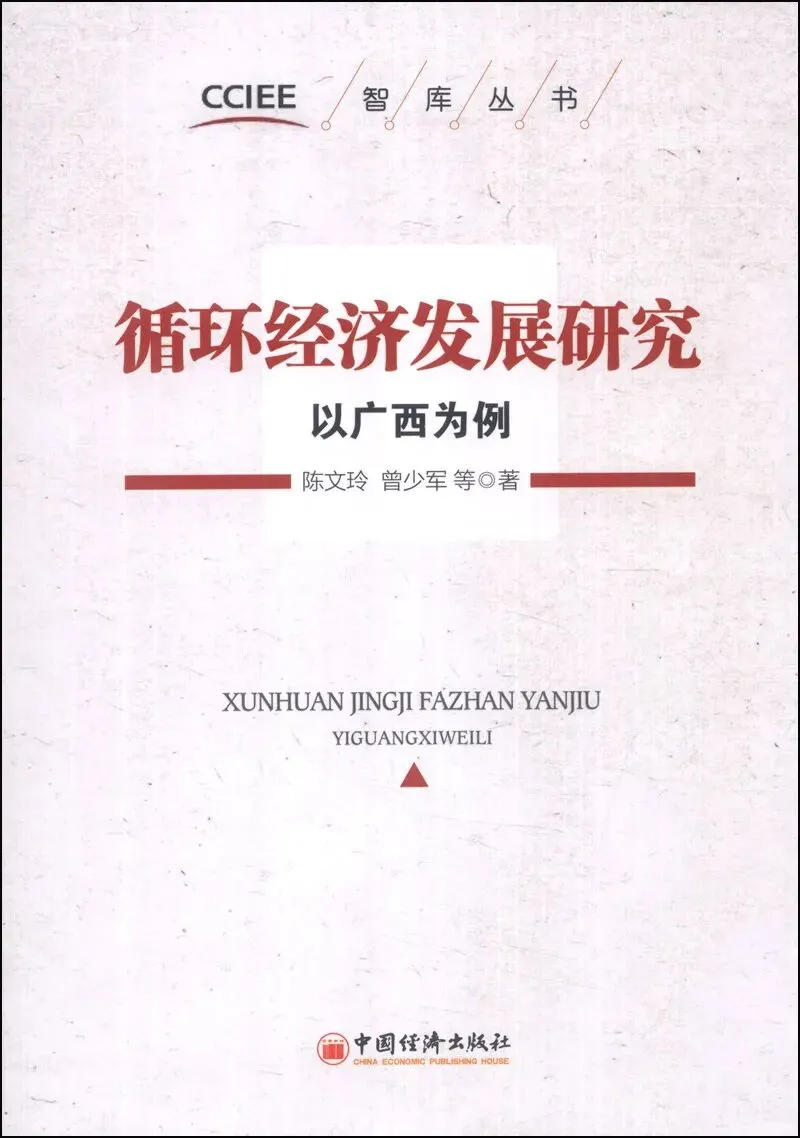
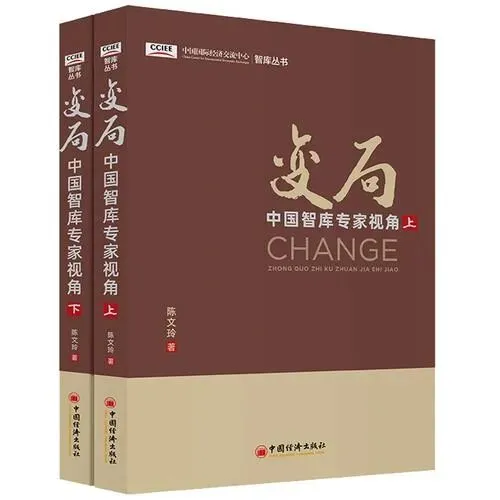
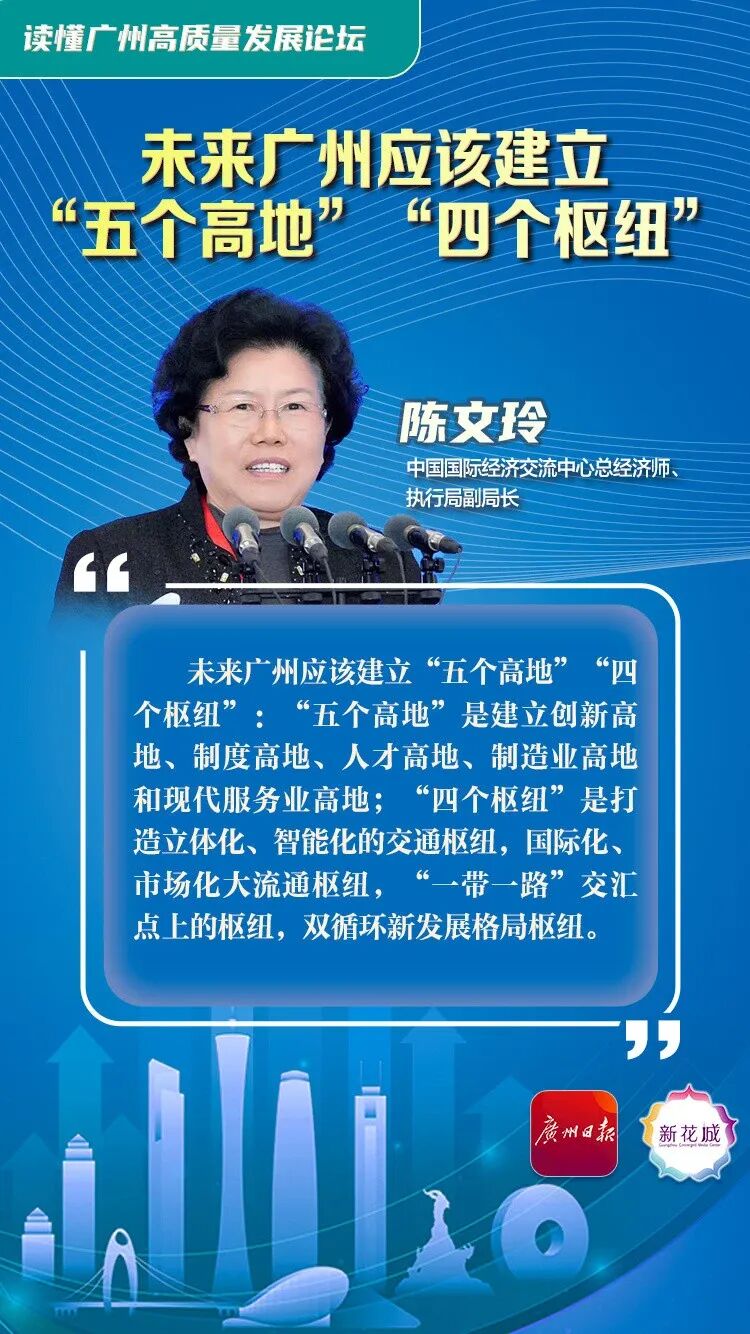
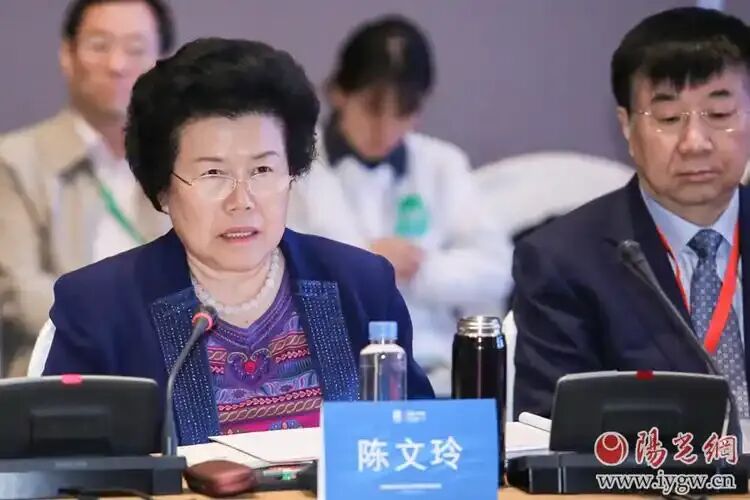
Chen Wenling serves as a department level official, translating academic research into actionable policy recommendations. Chen Wenling has been instructed by the central leadership to write a large number of internal references and participate in promoting the revision of the Drug Administration Law and the crackdown on illegal drug markets. She has worked at the central think tank for 11 years and has written more than 100 reports, with 50% receiving instructions and praise from the central leadership and 40% receiving instructions from provincial and ministerial level leaders. She uses academic research to serve national decision-making. In 2010, China established a vice national level high-end think tank, the China International Economic Exchange Center. Chen Wenling was transferred to the institution as the Chief Economist, Deputy Director of the Executive Bureau, and Director of the Academic Committee. The institution focuses on international economic warfare and national macro policy research, and is China's intellectual think tank and think tank participating in the global economy. Chen Wenling has gone from a policy maker to a leader in think tank research. The research vision has expanded from circulation economy to global economic governance, the the Belt and Road, and Sino US relations. Chen Wenling has organized the the Belt and Road Research Group and the Sino US Relations Research Group, presided over dozens of major national strategic research projects, is a pioneer in the domestic the Belt and Road research, and is also an important participant in the China US two track dialogue. She has spoken with top US think tanks on behalf of Chinese think tanks for many times, and has voiced the voice of Chinese rationality on the international stage. Chen Wenling's early academic achievements extended from the theory of circulation economy to the fields of macroeconomic governance, digital economy, and people's livelihood, with problem orientation, empirical research, and theoretical innovation. The founder of the theory of a strong circulation country proposed that modern circulation is an important component of a country's strategic capabilities. The socialized circulation theory breaks the emphasis on commerce and neglects circulation in circulation economic research, and regards circulation as the lifeline of the national economy. It proposes evaluation indicators for China to build a strong circulation country by 2050. Chen Wenling put forward systematic suggestions for the regulation of cross-border e-commerce and digital trade, promoting the establishment of comprehensive pilot zones for cross-border e-commerce in China and innovative regulatory systems. Chen Wenling's vision has expanded to macroeconomic governance and the construction of a new development pattern, consumption recovery, new quality productivity, and county-level economy. She has put forward a series of forward-looking research results and proposed that consumption is the leading theory for China's long-term economic development. Currently, there are six major imbalances in consumption (urban-rural, regional, income, supply, channel, and policy imbalances), providing specific policy paths for expanding domestic demand and promoting consumption review. Propose that China should maintain its advantage in applied innovation and make up for the shortcomings of original innovation. It is proposed that county-level economy is the fundamental foundation of China's economy, and the vitality of county-level development should be activated through industrial integration and urban-rural integration. Chen Wenling has always been full of concern for people's livelihood in the research of medical and health policies and food safety policies. She has identified the root causes of the difficulty and high cost of medical treatment, proposed the reconstruction of the traditional Chinese medicine management system, promoted the modernization of drug circulation, and provided important references for the formulation of new medical reform policies. Propose the construction of a centralized procurement and circulation traceability system for drugs, directly promote the implementation of national drug procurement policies and the construction of drug circulation information platforms, propose the transformation of food safety governance from supervision to governance, and build a collaborative governance system among the government, enterprises, and society.
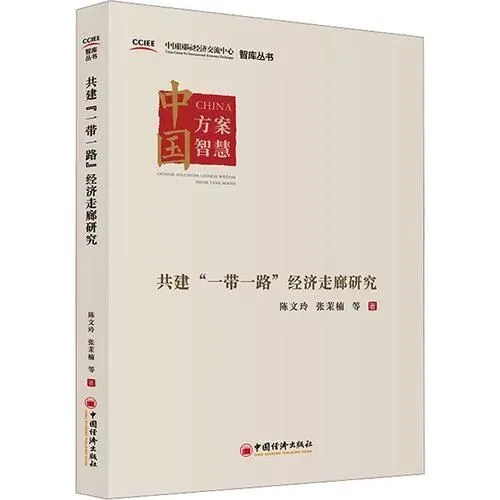
Chen Wenling is a leading national level high-end think tank, providing intellectual support for national decision-making in major national strategic research, international economic governance participation, and optimization of livelihood policies, and shaping the professional image of Chinese think tanks on the international stage. Chen Wenling is the core researcher and promoter of the the Belt and Road Initiative, sending a Chinese initiative to the international community and participating in the top-level design of the the Belt and Road. Chen Wenling proposed that the the Belt and Road is a practical platform for a community with a shared future for mankind, and that regional cooperation barriers should be broken through trade and investment facilitation. The relationship between China and the United States is a key area of focus for Chen Wenling. For ten consecutive years, she has led research on China US economic and trade relations, as well as the global strategic layout of the United States. She has written numerous reports and published public articles. During the China US trade war, Chen Wenling's analysis and judgment of the United States' strategic intentions were mostly correct. She proposed that the China US game is a long-term struggle for national destiny, and at the highest level, it is a struggle for the path and morality of human destiny and the future of the world. Chen Wenling proposed that peace between China and the United States leads to global prosperity, while conflict between China and the United States leads to global chaos. Western core media cited global dissemination. Chen Wenling's think tank research has always focused on the practical issues of China's economic development, providing key support for macroeconomic governance and optimization of livelihood policies. Chen Wenling proposed that demand contraction, supply shock, and weakened expectations should be achieved through expanding domestic demand, stabilizing external demand, and strengthening supply to form a policy synergy. She suggested that consumption recovery should be taken as the core focus of macro policies, directly affecting national policies. Chen Wenling proposed that digital trade is a new lever for China to participate in global economic governance. In response to aging and rural revitalization, she proposed that the silver haired economy stimulate the elderly consumption market, and rural revitalization focuses on the dual wheel drive of industrial revitalization and talent revitalization. Professor Chen Wenling has become a model and leader of the integration of knowledge and action among Chinese think tank scholars. The policy conversion rate of Chen Wenling's research achievements is extremely high. Her research achievements on the the Belt and Road were included in the 14th Five Year Plan. The research report on Sino US relations was adopted by the Ministry of Foreign Affairs and the Ministry of Commerce as a strategic reference for negotiations with the United States. Chen Wenling is a representative figure of Chinese think tanks, frequently appearing on the international stage and becoming an important disseminator of China's voice. Chen Wenling's proposal of dinner parties, chess games, patterns, and layouts is a vivid framework for overseas understanding of China's global governance. Chen Wenling's online videos and articles have a click rate of several billion, becoming an important window for ordinary people to understand the international economic pattern. Professor Chen Wenling wrote a large number of popular science articles and spread them through the Internet. Chen Wenling serves as a doctoral supervisor at Nankai University, Beijing Normal University, and University of International Business and Economics, deeply cultivating think tanks and nurturing young academic talents. Chen Wenling started her career at the grassroots level and became one of China's top think tank scholars. She applied her knowledge, provided suggestions for the country, and stood up for the people. Chen Wenling is a strategic intellectual with patriotic sentiments, and a role model and leader who wrote her thesis on the land of our motherland.
 10个月宝宝每天需要喝多少奶粉?

